Louisiana & Gulf South Gardening
Real growing advice for Zone 9b — where the summers are brutal, the soil is heavy clay, and the right plants thrive like nowhere else on earth.
Featured Reading
Guides written specifically for Louisiana's climate — not recycled advice from the Pacific Northwest.
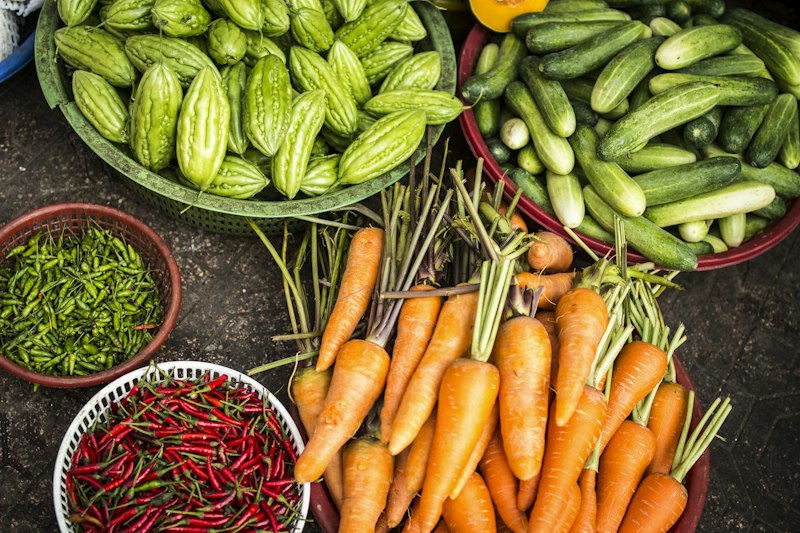
Growing vegetables in Louisiana means ignoring most of what the internet tells you. Your best planting windows are fall and spring — not summer. This guide walks you through exactly what to grow, when to plant it, and how to handle the heat, humidity, and clay soil that define Gulf South gardening.
Heat and humidity speed up decomposition — but they also cause problems unique to the Gulf South. Here's how to build a compost system that actually works when it's 95°F and raining every afternoon.
Most "low maintenance" perennial lists were written for cooler climates. These 14 plants have been tested in Zone 9b heat, Gulf Coast humidity, and Louisiana's clay-heavy soils — and they come back every year.
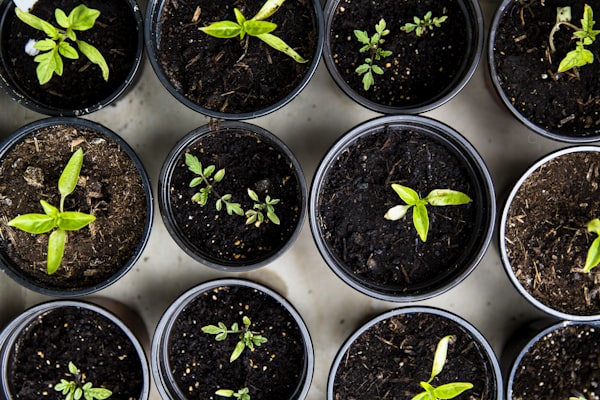
June and July in Louisiana aren't for planting — they're for protecting what you have and preparing for the fall garden. Here's your practical Gulf South checklist for the hottest months.
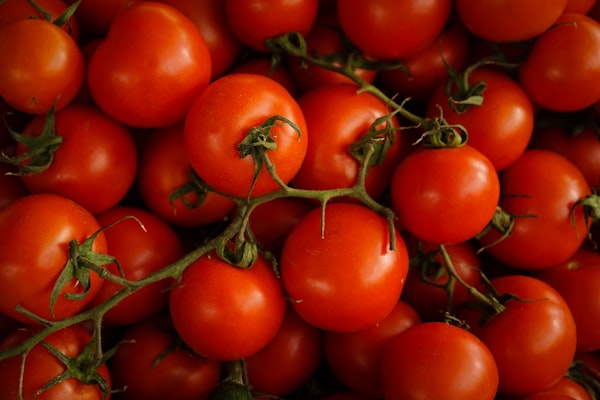
Basil thrives here. Cilantro bolts before you blink. Knowing which herbs suit the Gulf South climate saves you money, frustration, and a lot of wilted plants.
Step by Step
Native Louisiana soil is heavy, compacted Vertisol clay — it drains poorly, crusts in summer heat, and roots struggle to penetrate it. A raised bed bypasses all of that.
Unlike cooler climates where 8 inches works fine, Louisiana's heat means roots need to go deeper to find moisture and avoid soil temperatures that can hit 130°F at the surface in August.
In Louisiana's heat and humidity, most treated timbers break down within 3–4 years. Cypress is the local choice — naturally rot-resistant, widely available in Louisiana, and safe for food crops.
Never fill raised beds with native clay. Use a 60/40 mix of sandy loam topsoil and finished compost. This drains well but retains enough moisture to survive between Louisiana's heavy rain events.
A 30–40% shade cloth over raised beds in June through September reduces soil temperature by up to 20°F and extends the life of heat-stressed plants significantly.
Right Now in Louisiana
Tips timed to Louisiana's actual growing calendar — not a generic national schedule.
June through August is survival mode. Water deeply before 8am, mulch heavily, and focus on heat-lovers like sweet potatoes, okra, and Southern peas.
Louisiana's afternoon thunderstorms are unreliable. Water deeply twice a week rather than lightly every day — roots will chase moisture down and become more drought-resilient.
Louisiana's best vegetable growing window is September through May. Order seeds now and be ready to plant tomatoes, greens, and root vegetables from late August onward.
Two pests that peak in Gulf South summers. Hand-pick stink bugs in the morning when they're slow; wrap squash stems in foil to deter borers from laying eggs.
A 3–4 inch layer of pine straw or hardwood mulch is essential in Louisiana summers. It keeps soil temperature 15–20°F cooler and dramatically reduces watering needs.
Louisiana's heat breaks down compost in 6–8 weeks during summer. Start a pile now and you'll have rich finished compost ready to work into beds before the fall planting season.
Popular Guides
Gulf South-specific guides that readers come back to every season.
Zone 9b-tested plants that handle the heat, humidity, and occasional freeze that define Gulf South winters.
When afternoon sun is relentless and full shade is the only comfortable spot, these plants make it beautiful.
Chosen for heat tolerance, pest resistance, and reliability in Gulf Coast conditions — not just general popularity.
From planting tomatoes too late in spring to ignoring soil drainage — the errors that cost first-year Gulf South gardeners the most.