If you've ever tried following a gardening guide from a national magazine and ended up with dead tomatoes in June, you already know the problem: most gardening advice wasn't written for Louisiana. It was written for somewhere with mild summers, light soil, and predictable rain — none of which describes the Gulf South.
Louisiana gardening is genuinely different. Your best vegetable-growing seasons are fall and spring. Your biggest enemy isn't frost — it's the combination of heat, humidity, and standing water that comes with a Zone 9b Gulf Coast climate. And your native soil, a heavy Vertisol clay common throughout the New Orleans metro area, is about as far from ideal as soil can get without being concrete.
This guide is written specifically for that reality. Everything here is based on Gulf South conditions: USDA Hardiness Zone 9b, average summer highs above 90°F, high year-round humidity, and the unique gardening calendar that makes Louisiana so different from the rest of the country.
The Louisiana Gardening Calendar in a nutshell: Plant warm-season crops (tomatoes, peppers, squash) in February–March and again in August–September. Plant cool-season crops (greens, roots, brassicas) September through February. Summer (June–August) is for maintaining, not planting.
Step 1 — Understanding Louisiana Soil (and Why It Fights You)
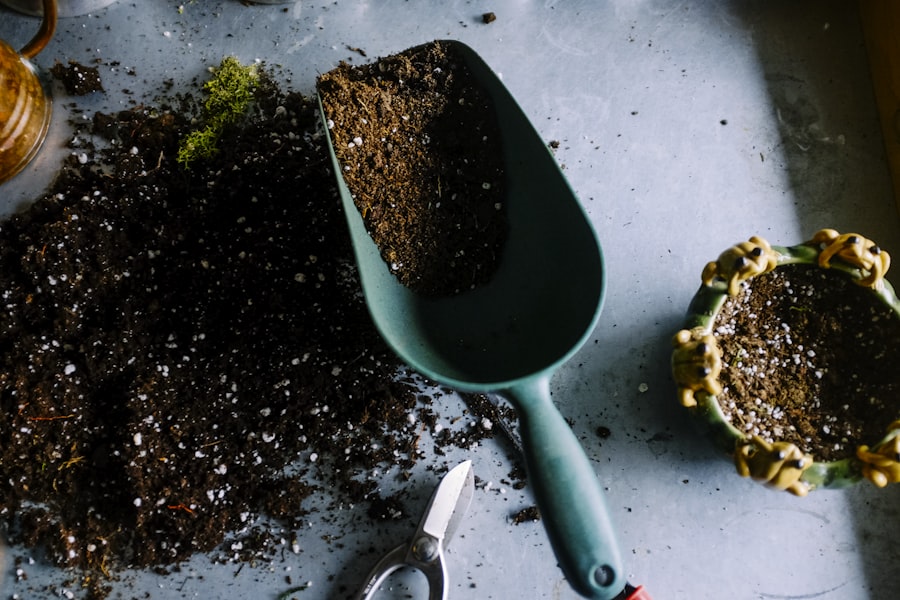
Most of the New Orleans metro area, including Metairie and Jefferson Parish, sits on alluvial clay deposits laid down by the Mississippi River over thousands of years. This Vertisol clay is dense, poorly drained, and expands when wet and cracks when dry — creating conditions that are hostile to most vegetable roots.
The good news: it's not hopeless. The bad news: you can't fix it overnight. Your options are:
- Raised beds — the fastest and most effective solution. Build above the native clay and fill with imported sandy loam and compost. This is what most successful Louisiana vegetable gardeners do.
- Amend in place — works over several years of consistent organic matter additions, but requires patience. Add 4–6 inches of compost per year and till shallowly. Avoid deep tilling, which brings up poor subsoil.
- Container gardening — excellent for herbs, tomatoes, peppers, and greens. Gives you total control over the growing medium and drainage.
Never buy "topsoil" from a local supplier without seeing it first. Much of the topsoil sold in the New Orleans area is dredged clay from bayous and drainage ditches — essentially the same heavy clay you're trying to escape. Ask specifically for sandy loam topsoil from upland areas, or use a raised bed mix from a reputable garden center.
Step 2 — Know Your Planting Calendar
This is the single most important thing to understand about Louisiana vegetable gardening. The planting dates that work in the rest of the country will fail here. Our calendar is shifted dramatically compared to national guides.
| Vegetable | Spring Planting (Zone 9b) | Fall Planting (Zone 9b) | Notes |
|---|---|---|---|
| Tomatoes | Feb 1 – Mar 15 | Aug 15 – Sep 15 | Must be in ground before heat arrives |
| Peppers | Feb 15 – Mar 31 | Aug 15 – Sep 15 | Perennial here — can overwinter with mild frost |
| Squash / Zucchini | Feb 15 – Mar 15 | Aug 15 – Sep 1 | Short window — vine borer pressure is high |
| Beans (bush) | Mar 1 – Apr 1 | Sep 1 – Oct 15 | Southern Peas better for summer |
| Okra | Apr 1 – Jun 1 | Not recommended | One of the few true summer crops here |
| Sweet Potatoes | Apr 15 – Jun 1 | Not recommended | Harvest before first frost (Dec/Jan) |
| Lettuce / Greens | Jan – Mar 1 | Sep – Dec | Best winter crop; bolts quickly in heat |
| Kale / Collards | Jan – Feb | Sep – Nov | Taste better after a light frost |
| Carrots | Jan – Feb | Sep 15 – Nov | Need loose, deep soil — use containers or deep beds |
| Broccoli / Cabbage | Jan – Feb | Sep – Oct | Start indoors 6–8 weeks before transplanting |
| Southern Peas | Apr – Jul | Not recommended | Heat-tolerant; thrives in summer |
| Cucumbers | Feb 15 – Mar 31 | Aug 15 – Sep 15 | Short productive window before heat hits |
Step 3 — Managing Louisiana's Heat and Humidity
The combination of heat and humidity that defines Gulf South summers creates two specific problems for vegetable gardens that you won't read about in most gardening guides: fungal disease pressure and soil temperature overheating.
Fungal Disease
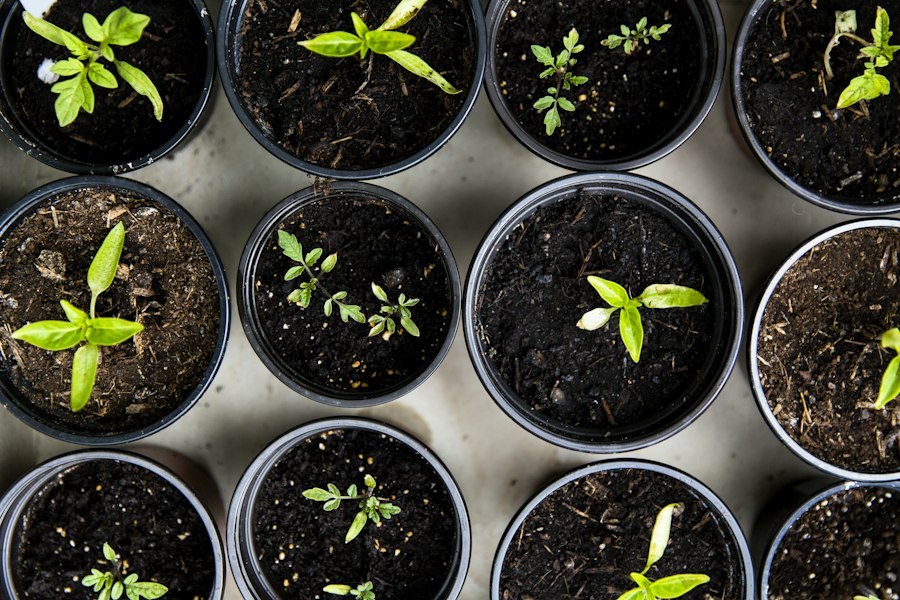
Warm, wet, humid conditions are perfect for fungal diseases — blight, powdery mildew, and root rots that can wipe out a plant within days. To manage this in Louisiana:
- Always water at the base of plants, never overhead. Wet leaves in humid air invite fungal infection.
- Water in the early morning so any splash dries before the hot, humid afternoon sets in.
- Space plants generously — more than the seed packet suggests — to allow airflow between them.
- Remove and dispose of any diseased leaves immediately. Do not compost them.
- Choose disease-resistant varieties whenever available. Look for tomato varieties labeled VFN (resistant to Verticillium, Fusarium, and Nematodes) — all common Louisiana problems.
Soil Temperature
Louisiana's summer sun can heat the surface of bare soil to 130–140°F — hot enough to kill roots and beneficial soil organisms. Mulch is not optional here; it's essential. Apply 3–4 inches of pine straw (the most widely available mulch in Louisiana) or hardwood mulch around every plant. This alone can reduce soil temperature by 15–20°F and dramatically reduce how much you need to water.
Pine straw is cheap, widely available, and excellent for Louisiana gardens. It's slightly acidic, which suits most vegetables and many Gulf South ornamentals. Buy it in bales from any garden center or home improvement store — one bale covers approximately 30 square feet at 3 inches deep.
Step 4 — Watering in a Subtropical Climate
Louisiana's rainfall is abundant but unreliable — you might get 2 inches from a single afternoon thunderstorm, then nothing for two weeks. Your garden can't depend on rain alone, but it also can't handle being waterlogged after heavy storms.
The key is drainage first, then irrigation. If your garden beds pool standing water after rain, no amount of correct watering technique will save your plants. Fix drainage before you plant by raising beds, improving soil structure with compost, or installing a simple French drain if necessary.
Once drainage is sorted:
- Water deeply (to 6–8 inches soil depth) twice a week rather than shallowly every day. Deep watering encourages roots to grow downward where soil stays cooler and moister.
- Use a soaker hose or drip irrigation if possible — it delivers water to the root zone without wetting foliage, reducing fungal disease significantly.
- After heavy rain, check soil moisture before watering again. Louisiana soils can stay saturated for days after significant rainfall.
- Container plants dry out quickly in summer heat — check daily and water when the top inch of potting mix feels dry.
Step 5 — Gulf South Pest Management
Louisiana's warm climate means pest populations are larger, more diverse, and active for longer than in most of the country. The insects that elsewhere cause minor seasonal problems can be serious, year-round concerns here.
The Biggest Louisiana Garden Pests
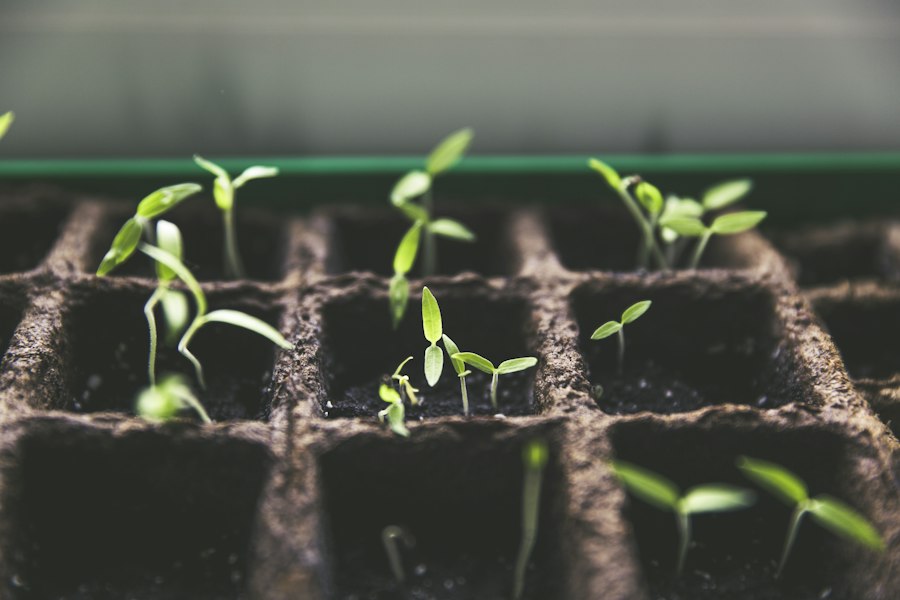
- Squash Vine Borer — The most devastating summer pest in Louisiana. The moth lays eggs at the base of squash stems; larvae bore inside and kill the plant from within. Prevention is the only real solution: wrap stem bases in aluminum foil to prevent egg laying, or grow squash only in the spring and fall windows when borer pressure is lower.
- Stink Bugs (Brown Marmorated) — A growing problem across the Gulf South. They puncture fruit, leaving corky, discolored patches. Hand-pick in early morning when temperatures are lower and they're sluggish. Kaolin clay spray provides some deterrence.
- Root Knot Nematodes — Microscopic soil-dwelling pests that are endemic to Louisiana soils. They invade root systems, causing stunted, yellowing plants that don't respond to feeding or watering. Prevention: plant resistant varieties (labeled 'N'), rotate crops, and plant French marigolds as a cover crop to suppress populations.
- Aphids on Citrus and Peppers — Common and manageable. A strong jet of water knocks them off; insecticidal soap spray handles heavy infestations.
- Fire Ants — A Louisiana constant. They rarely harm plants directly but their mounds disrupt roots when they build inside garden beds. Treat mounds individually with an approved product rather than broadcasting pesticide across the whole bed.
Planting French marigolds (Tagetes patula) throughout your vegetable beds is one of the most effective and low-cost ways to reduce root knot nematode pressure in Louisiana soil. Plant them as a cover crop in summer, till them under before fall planting, and repeat each year. Studies from LSU AgCenter have shown measurable nematode reduction with this practice.
Step 6 — The Best Crops for Gulf South Beginners
These aren't just generally easy crops — they're specifically well-suited to Louisiana conditions: heat, humidity, clay soil, and the region's unusual planting calendar.
- Okra — The quintessential Louisiana vegetable. Loves heat, tolerates poor drainage, produces prolifically from May through October. Pick every 2–3 days or pods become woody.
- Southern Peas (Crowder, Blackeye, Zipper Cream) — Thrives in summer heat where most crops fail. Drought-tolerant, pest-resistant, and delicious. Direct sow in April through July.
- Sweet Potatoes — One of the most reliable summer crops in Louisiana. Plant slips (rooted cuttings) in late April; harvest in October before the first cold snap.
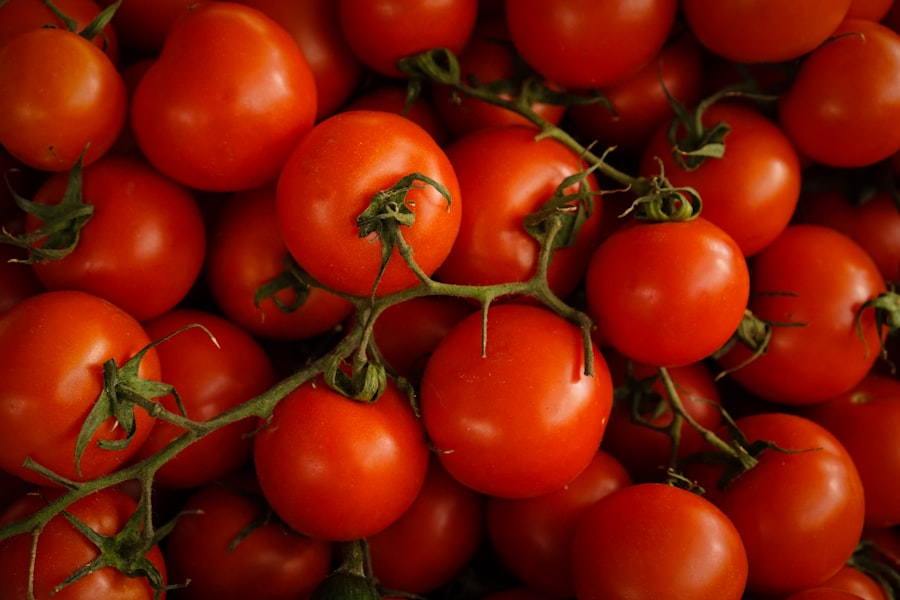
- Creole Tomatoes — The locally adapted varieties (Creole, Celebrity, Better Boy) handle Louisiana's heat and humidity better than most supermarket varieties. Plant in mid-February for an April–May harvest before summer arrives.
- Mustard Greens — A true Gulf South staple. Grow fast and prolifically in cool-season gardens September through March. Direct sow every 3 weeks for a continuous harvest.
- Herbs — Basil and Roselle — Gulf Coast basil grows like a weed through summer. Roselle (Jamaican sorrel) is an underused Louisiana garden plant — a relative of hibiscus that produces tart, cranberry-flavored calyxes used in drinks and jams.
Disclaimer: Planting dates and growing recommendations in this guide are based on average conditions for Zone 9b, Metairie and greater New Orleans area. Results may vary based on your specific microclimate, soil conditions, and annual weather patterns. Always consult the LSU AgCenter for the most current local planting recommendations.