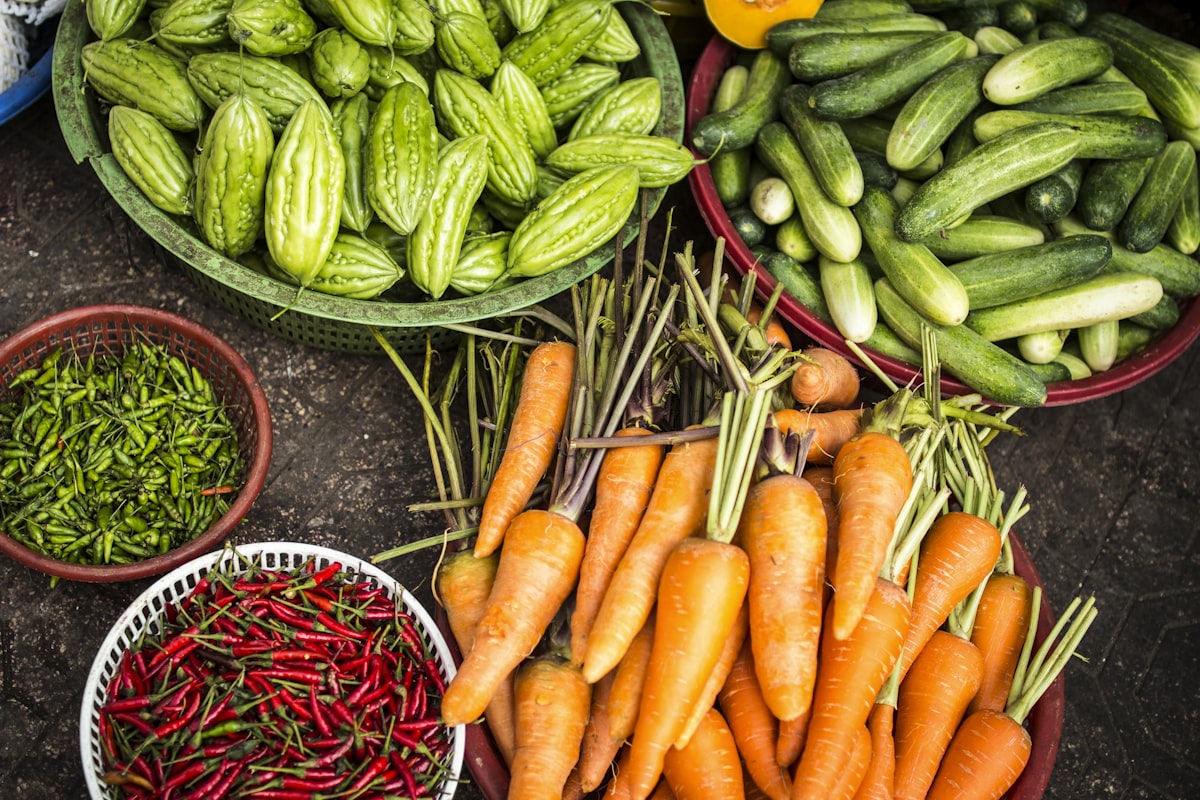
A growing calendar built around Zone 9b reality — not a national average that doesn't apply to the Gulf South.
Spring is Louisiana's most productive vegetable season — but it's short. By mid-May, daytime highs are consistently above 90°F and most cool- and warm-season crops are done for the year. Everything needs to be in the ground by early April at the latest.
This sounds absurdly early to gardeners from other states, but in Zone 9b, tomatoes transplanted after March 15 rarely have enough time to produce before summer heat stops fruit set. Start transplants indoors in January or buy transplants from local nurseries in February.
These warm-season crops need to go in by late February to early March to mature before squash vine borer season peaks and temperatures become prohibitive. Delay costs you the entire harvest window.
Lettuce, spinach, broccoli, and cabbage planted in fall will bolt (go to seed) and become bitter as temperatures climb through March. Harvest everything and clear the beds by late February to make room for warm-season transplants.
Apply 3–4 inches of pine straw or hardwood mulch around every plant by mid-March. Doing this before temperatures climb means your soil starts summer cool and moist, rather than playing catch-up through June.
Louisiana Creole onions (a regional short-day variety) are one of the state's great garden crops. Plant transplants or sets in February for a May–June harvest. They're sweeter and milder than most onions and don't store well — enjoy them fresh.
Zone 9b averages a first frost date around December 12 and last frost around February 13 — but these are averages, not guarantees. Keep frost cloth on hand through February 28 for any transplants you put in early.
Louisiana summers are genuinely hostile to most vegetables. Daytime temperatures regularly exceed 95°F, night temperatures barely drop below 75°F, and the combination prevents most fruit from setting. This season is not about planting — it's about maintaining what you have, growing the crops that can actually handle it, and preparing for the far more productive fall season.
Okra, Southern peas, sweet potatoes, and basil actually thrive in Louisiana summers. Everything else is either finished or struggling. Don't waste time and water trying to keep tomatoes or squash going past mid-May — pull them and plant summer crops instead.
Once summer heat arrives, any water applied to foliage after 9am evaporates before it reaches roots, and wet leaves sitting in humid afternoon heat invite fungal disease. Set drip irrigation or soaker hoses on a timer for 5–6am.
Louisiana's fall garden is one of the most overlooked opportunities in Southern horticulture — a second spring with long, warm days and cooling nights perfect for tomatoes, peppers, and greens. Order seeds in June so you're ready to start transplants indoors in July for August planting.
The adult moth lays eggs at the base of squash stems from May through July. Check stem bases daily — eggs are small, flat, and reddish-brown. Remove them before they hatch. Once larvae bore inside the stem, the plant is nearly always lost.
Summer is a good time to work compost into beds that are between plantings. Louisiana's heat accelerates decomposition — a layer of compost worked in during summer will be well integrated by fall planting time.
French marigolds planted in summer beds help suppress the root knot nematodes endemic to Louisiana soils. Till them under in August before fall planting — research from the LSU AgCenter documents measurable nematode reduction with this practice.
The fall garden is where Gulf South gardeners have their best success. Temperatures drop to a range that vegetables love, rainfall becomes more reliable, and pest pressure decreases significantly. September through November is the most productive planting window of the year for the New Orleans area.
The fall tomato planting window in Zone 9b is August 15 – September 15. Tomatoes need 70–80 days to mature, and planting after September 15 risks the first cool snap arriving before harvest. Use transplants rather than seeds to save time.
Mustard greens, turnips, kale, collards, and Swiss chard can all be direct sown from early September through December in Zone 9b. Sow a small amount every 2–3 weeks for a continuous harvest rather than one large batch that matures all at once.
Louisiana garlic is typically planted in October–November and harvested the following May–June. Choose softneck varieties suited to warm climates — hardneck varieties require more cold than Louisiana winters reliably provide. Creole garlic varieties are locally adapted and excellent.
Sweet potato vines handle light frost but the tubers are cold-sensitive below about 55°F soil temperature. Watch the forecast from November onward and harvest before extended cold arrives. Louisiana's first significant cold typically comes in December.
Louisiana is excellent strawberry country. Plant bare-root plants or plugs in October for a March–April harvest. Chandler is the classic Louisiana variety — it was developed partly for Gulf Coast conditions and performs reliably in Zone 9b.
Fall crops go in fast and grow in cooler temperatures that slow soil microbial activity. Work a balanced slow-release fertilizer into the bed at planting, then side-dress with a nitrogen source 4 weeks after transplanting to keep growth strong through December.
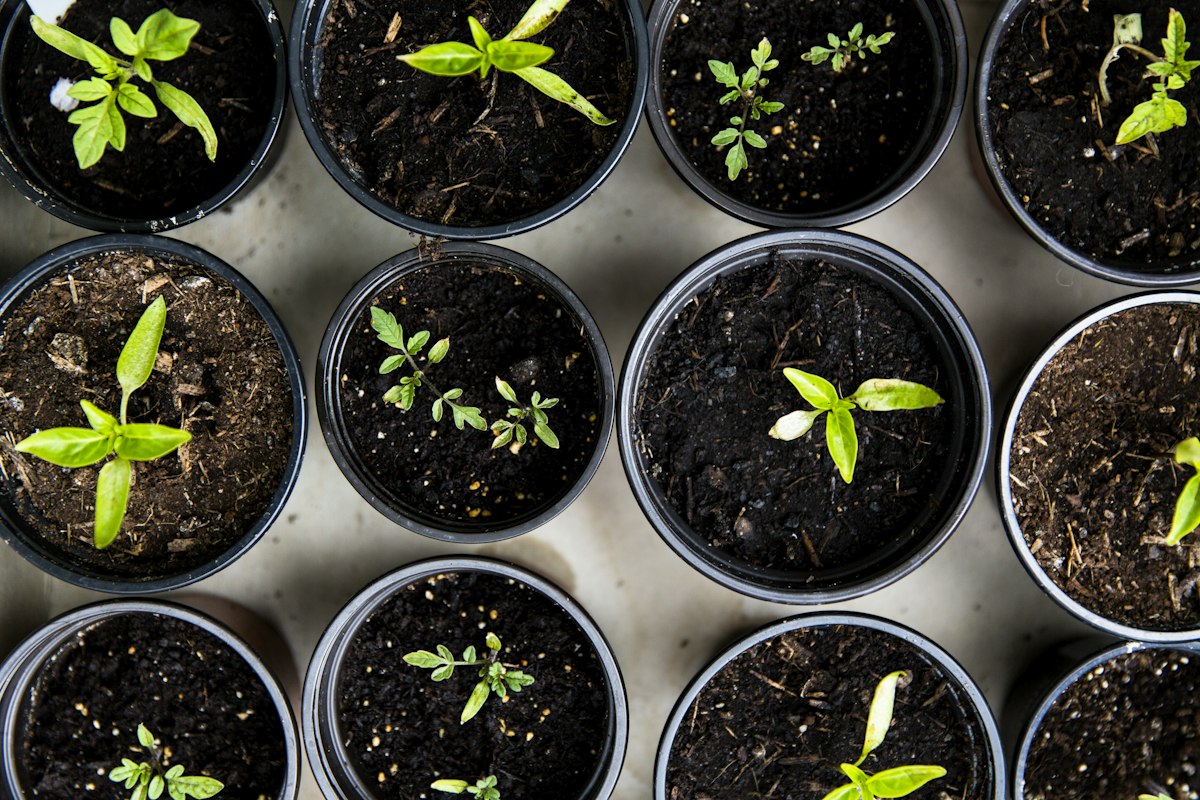
Louisiana winters are mild enough that gardening never fully stops. December and January bring occasional freezes but long stretches of mild days perfect for cool-season crops. The Gulf South garden is productive in winter in a way that's genuinely surprising to gardeners from other parts of the country.
Zone 9b averages 5–10 nights below freezing per year, typically clustered in December and January. Keep frost cloth or old bedsheets on hand to cover tender crops when temperatures are forecast below 28°F. Most cool-season greens handle light frost (28–32°F) without any protection.
A light frost actually improves the flavor of kale, collards, mustard greens, and turnip greens — it converts starches to sugars. Don't rush to harvest before a frost; wait until after, and the flavor will be noticeably sweeter.
Tomato and pepper transplants for the spring garden need 8–10 weeks of indoor growing before they're ready to go outside. Starting seeds under lights in January puts you on schedule for February transplanting — the optimal spring planting window for Zone 9b.
Any beds cleared of fall crops are best amended in winter. Work in 3–4 inches of compost and let it integrate over several weeks before planting. This is also the best time to adjust soil pH — lime or sulfur takes time to work into the soil profile.
Pansies, snapdragons, dianthus, and alyssum are all winter-hardy in Zone 9b and provide color through the cool months when vegetable beds are quiet. Plant in October–November for winter-long blooms.
Seed companies ship nationally, and popular varieties sell out by February. Order your spring seeds in January, focusing on heat-tolerant and disease-resistant varieties suited to Gulf Coast conditions.
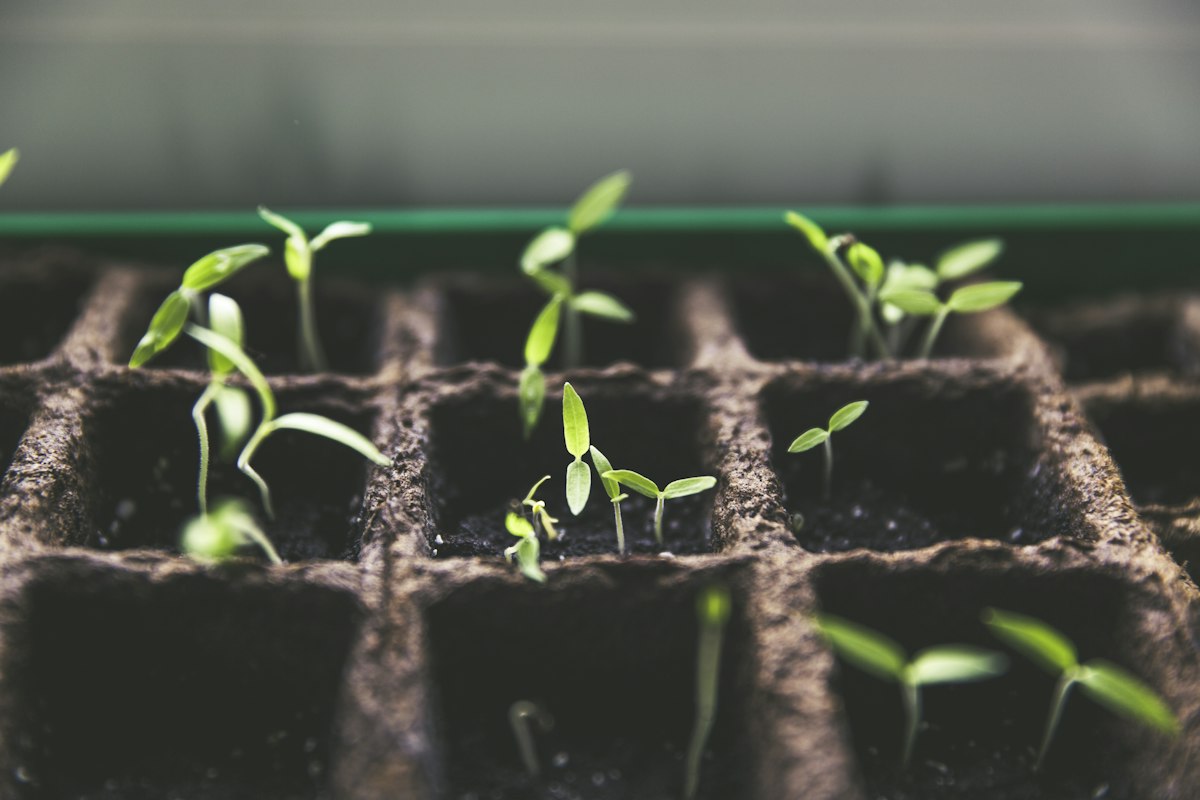
These aren't generic beginner errors — they're the specific mistakes that trip up first-year Gulf South gardeners who are following advice written for a different climate.
Every national gardening guide says plant tomatoes after your last frost in spring. In Louisiana, that advice leads to tomatoes going in the ground in March–April — which is already too late for a productive harvest before summer heat ends fruit set.
Some beginners dig up native Louisiana clay soil to fill raised beds, thinking any soil is better than no soil. Louisiana's Vertisol clay drains so poorly in a raised bed environment that plants drown after every rain.
Many beginners plant in spring, struggle through a difficult summer, and give up. They miss Louisiana's single best growing season — the fall garden from September through November is far more productive and less frustrating than spring.
Sprinkler-style watering in Louisiana's humid summers is a reliable way to develop fungal diseases like blight and powdery mildew. Wet foliage in 85°F+ humidity doesn't dry — it stays damp for hours, creating ideal fungal conditions.
Gardeners who mulch after summer heat arrives find their soil is already dry and baked. Mulch works best as prevention, not treatment — it needs to be in place before temperatures climb.
First-year gardeners often attribute stunted, yellowing plants to poor watering or fertilizing. In Louisiana's native soils, root knot nematodes are often the real culprit — and they get worse each year if not managed.
Big box stores often stock nationally distributed plant varieties that aren't suited to Gulf Coast conditions. A tomato variety bred for a Pacific Northwest climate will underperform in Louisiana's heat and humidity regardless of how well you care for it.
Louisiana receives 60+ inches of rain annually, and heavy storms can dump 2–3 inches in an afternoon. A raised bed with poor drainage becomes a planter full of standing water after every significant rain event.